
Nguồn: cambridge.org
Wellbeing has become increasingly important in education over the past few years. Let’s take a closer look at what it is and how we can promote it in our pre-primary classrooms.
Wellbeing is a state of being happy and healthy. When children feel emotionally and physically safe, they are more engaged in the classroom.
Here are four ways you can promote wellbeing in the pre-primary classroom.
1. Establish clear routines
Routines help children feel safe and secure, support their physical development, and encourage autonomy, increasing confidence and self-esteem.
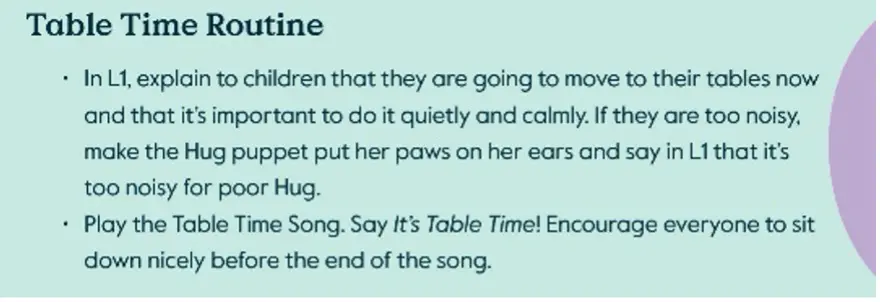
Use songs: Incorporate songs to establish routines. For example, the “Table Time” song from one of our pre-primary English courses, Ready, Set, Grow!, signals transitions, helping children move from whole-class circle time to working in pairs or groups.
2. Promote a sense of self
Personalize learning and create opportunities to know each learner. This helps children feel equal, respected, and valued, increasing their sense of self and wellbeing.
- Show progress: Highlight their progress and praise efforts and behaviour over results.
- Create portfolios: Help children make portfolios of their work to see their progress throughout the year.
- Encourage classroom helpers: Let children take on roles like handing out books or putting pen pots back on the shelf.

3. Develop emotional awareness
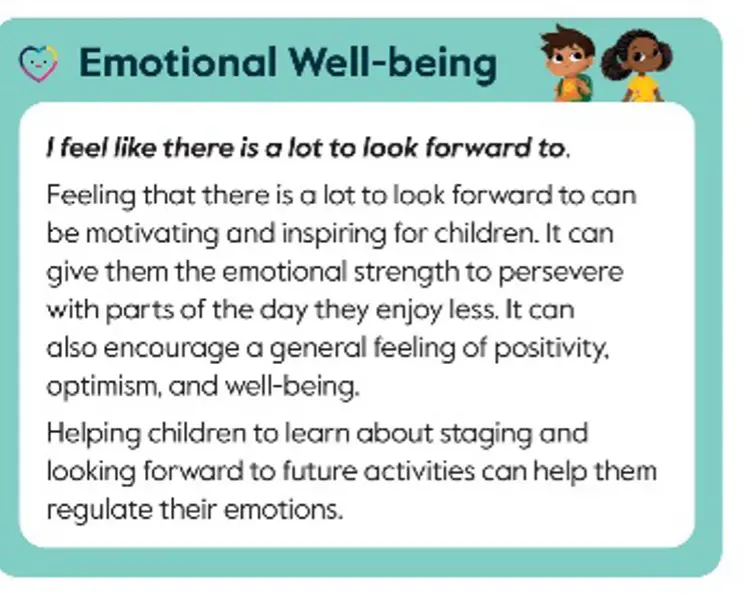
Help learners understand and regulate their emotions, which is key to their wellbeing.
- Use emotion jars: Give each child a lollipop stick with their name and have them place it in a jar labeled with emotions like “Happy,” “OK,” and “Sad.” This helps children recognize and validate their feelings. Every unit in Ready, Set, Grow! includes a wellbeing lesson with an “I feel…” statement, reflecting on the unit’s theme.
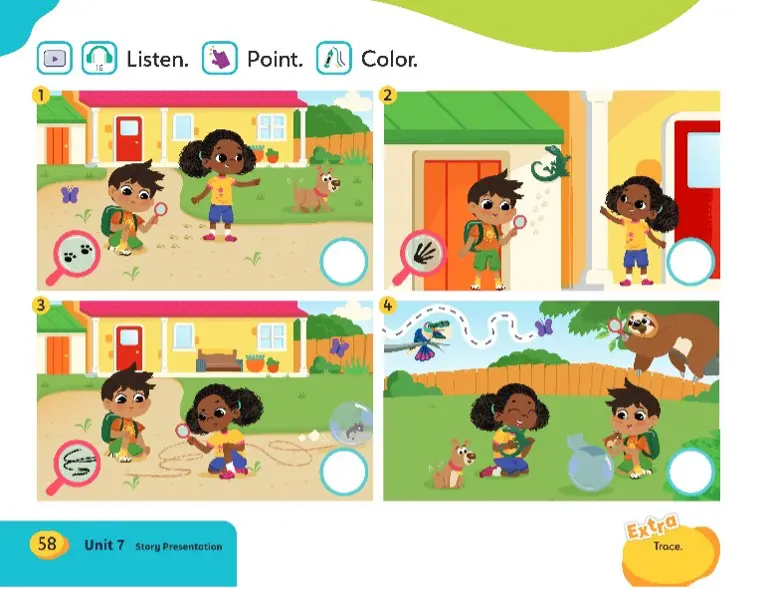
- Incorporate stories: Use stories to explore emotions. Ready, Set, Grow! features characters that children can identify with, teaching empathy and social skills.
- Role-play: Use familiar characters for role-play to help children, especially neurodivergent learners, socialise and express emotions.
4. Foster physical connection
Use sensory activities to connect mind and body, promoting wellbeing.
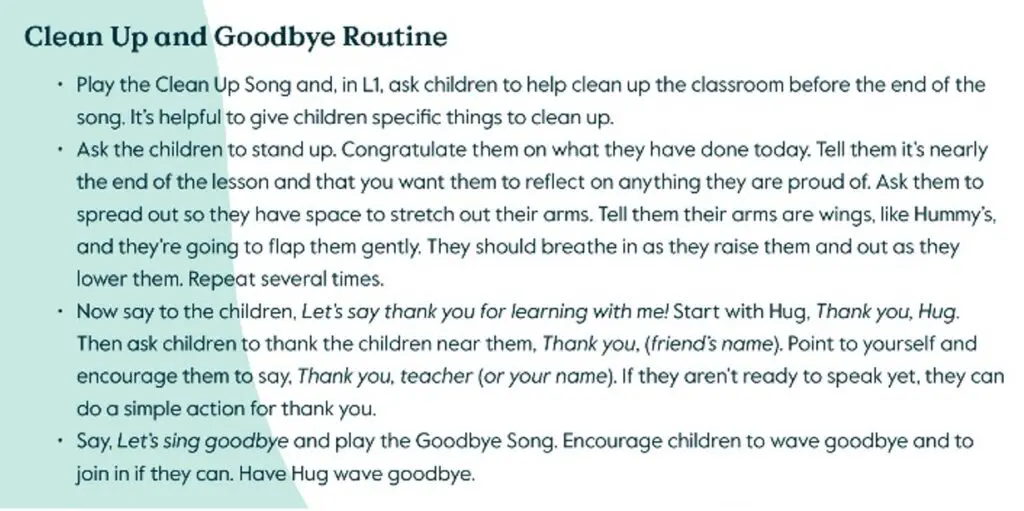
- Focus on breath: Have children close their eyes, take three long breaths, and listen to sounds around them. Ask them to share what they heard. In Ready, Set, Grow!, in the Goodbye Routine, the children reflect on what they’ve done and breathe in and out whilst flapping their arms like one of the characters in the course, Hummy the hummingbird.
- Use feathers: Give children small feathers to notice how they feel, stroke their cheek, and then blow and catch them in the air. Teach descriptive words like “soft.”
By incorporating these strategies, you can create a positive and nurturing classroom environment that supports the wellbeing of all pre-primary learners. Prioritizing wellbeing not only helps children feel happy and safe but also lays the foundation for successful learning and personal growth. Remember, small consistent actions can make a big difference in fostering a supportive and thriving classroom community.